Welcome greeting
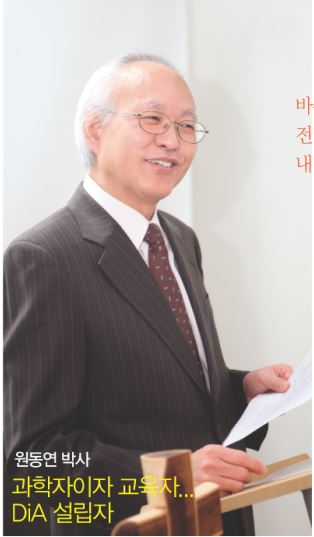
Dr. Dongyeon Won
Founder , Founder of 5-Dimensional Frontline Education
“Whole-person education doesn’t come from a whole-person program, it comes from a whole-person human being.”


History of 5D Education
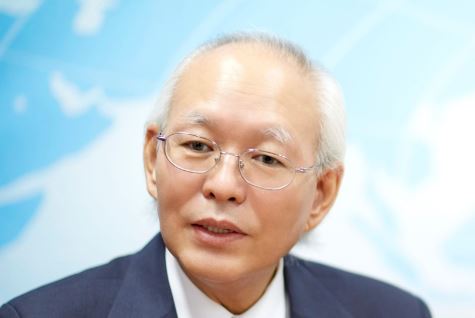
Biography
Five Dimensional Education’ He is the founder of
1995After publishing ‘DY Learning Method’ in 1995, he entered the education field by publishing the 5D series, including ‘Five Dimensional Education’, ‘9 Steps to 5D Studies’, and ‘5D English Learning Method’.
After graduating from Seoul Institute of Technology and earning a master’s degree in the Department of Materials Science and Engineering at KAIST, he worked at the Korea Atomic Energy Research Institute, where he made great contributions to the research and development of superconductors in Korea, publishing numerous research papers and patents, and was selected as one of the ‘100 People Who Shined Korea’.
During his career as a scientist, he became interested in the many students who were struggling academically, and in 1999, he founded an alternative school, Sein High School, where he personally taught and guided students. The school’s remarkable success attracted a lot of attention from the education community and the media. Since then, he has established and taught at many schools in Korea and abroad, and has spreadFive Dimensional Educationacross the country through university education, corporate training, and teacher training in public education.
Today, he lives his life on the road as an educator and continues to pursue his path with the same passion and love.
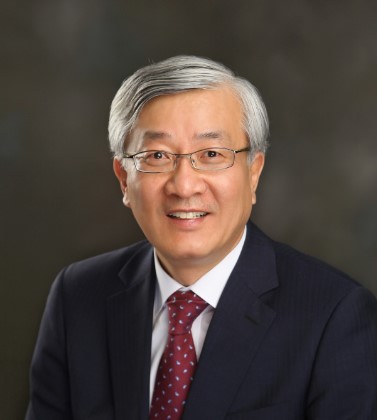
Biography
He is a Protestant pastor in South Korea and a member of the Korean Christian Presbyterian Church (Unification). He is a scholar specializing in Christian ethics, Christian culture, and virtue ethics, and is a leader of the Village Pastoral Movement in the Korean church.
He graduated from Seoul National University and received his doctorate from Presbyterian Theological Seminary. After serving as a professor at Presbyterian Theological Seminary, he served as president of Honam Theological Seminary, and is currently a professor at Baekseok University. He has served as president of the Korean Christian Society and is currently serving as president of the Korean Church Research Center of the General Assembly of the Christian Church in Korea.
He was awarded the Hwangjo Geunjeong Medal by the government in 2017 and the 2018 Proud Presbyterian (Academic) Award by the General Assembly of the Presbyterian Church (Korea) in 2018. He is listed in Marquis Who’s Who in the World, 2018 as a theologian.
Biography
D., Chonbuk National University
Former head of the National Language Center
Professor, Department of Korean Language and Education, Jeonju National Normal University
President of Jeonju National Normal University and Dean of Graduate School of Education
President of the National Federation of Korean Language and Culture Centers
President of the Korean Language and Literature Association
Adjunct Professor, Yanbian University of Science and Technology, China

Biography
Biography
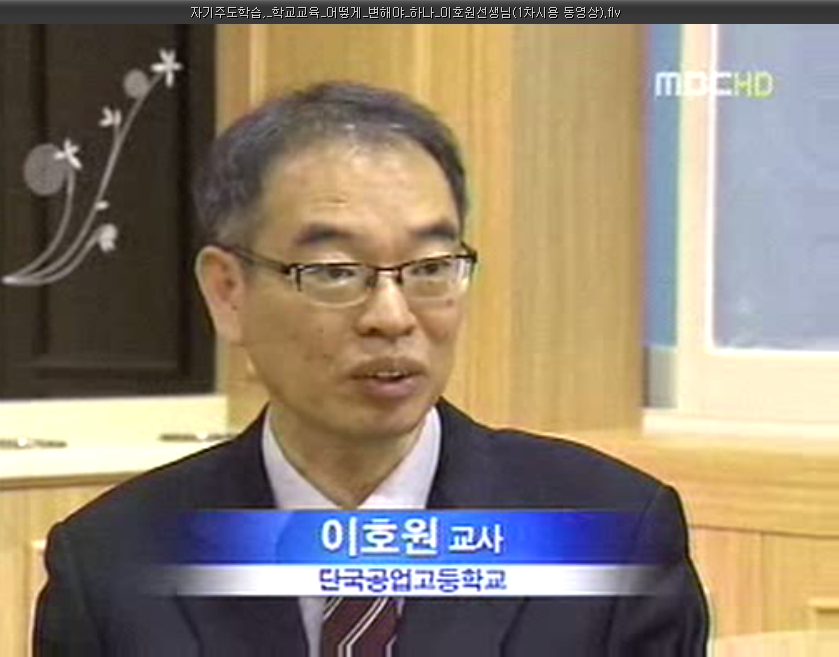
Biography
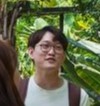
After working as a teacher for the past 20 years, Mr. Lee retired as the vice principal of YeomAd High School and became the principal of Dia Global School. When he was a teacher at Dankook Industrial High School in Daechi-dong, he was reported on MBC News as a teacher who led the transformation of students and a research study that proved the effectiveness of “Five Dimensional Education”. She is always passionate and dedicated to her students, and guides them to consolidate their learning capabilities, including all-round character and creative intelligence.
Biography
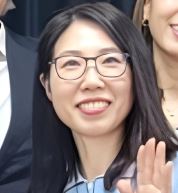
He majored in psychology at Rutgers, the State University of New Jersey, USA. In college, she was recognized for her talent in English writing, and during her time in the KATUSA military, she was awarded Journalist of the Year for her work as a reporter for the U.S. Forces Korea. Currently, he teaches English courses to students and tutors English writing for advanced advanced students. Although he is sometimes seen as a strict and rigorous teacher, he is also a personable and fun-loving teacher.
Biography
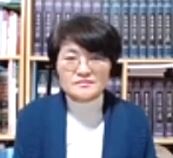
Majoring in Korean literature, psychology, and Korean as a foreign language
M.A. in Educational Methods, Graduate School of Education, Korea University
M.A. in Learning Coaching, International Graduate School of Culture, Korea University
Learning Counselor Certification
Korean Teacher Certification Level 2
Counselor Professional Certification
Five Dimensional EducationHe has been a member of the Association’s research committee and is currently in charge of language and society.
Biography
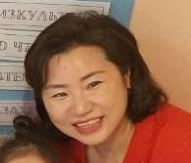
He studied Visual Arts at the University of Massachusetts, USA. He graduated with honors and teaches art and computer design to students, as well as various computer literacy skills, including website creation and video editing.







History of DiaGlobal Schools



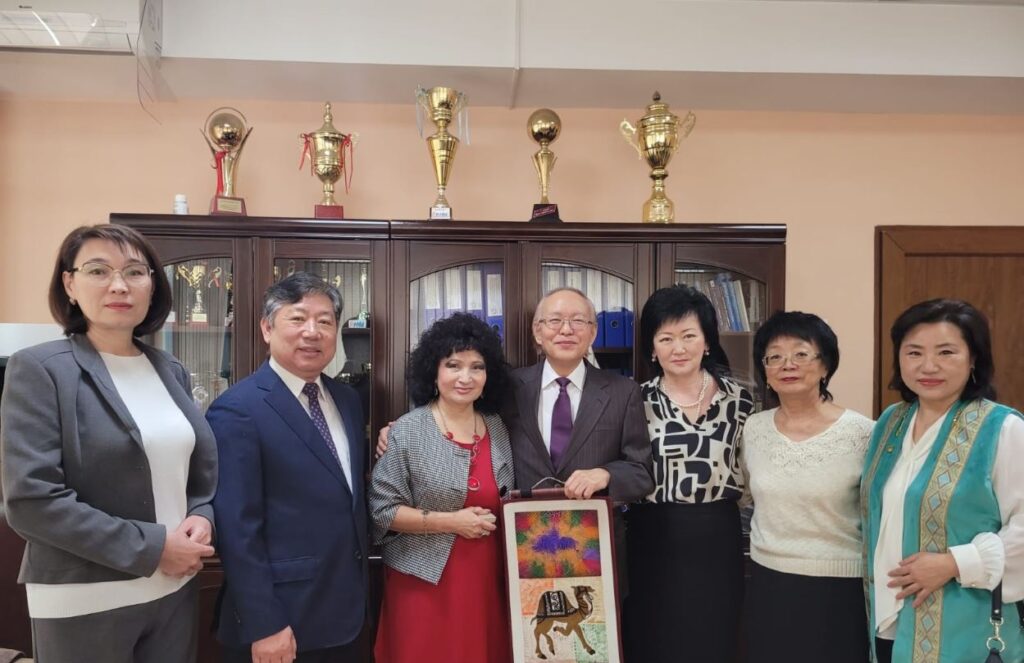
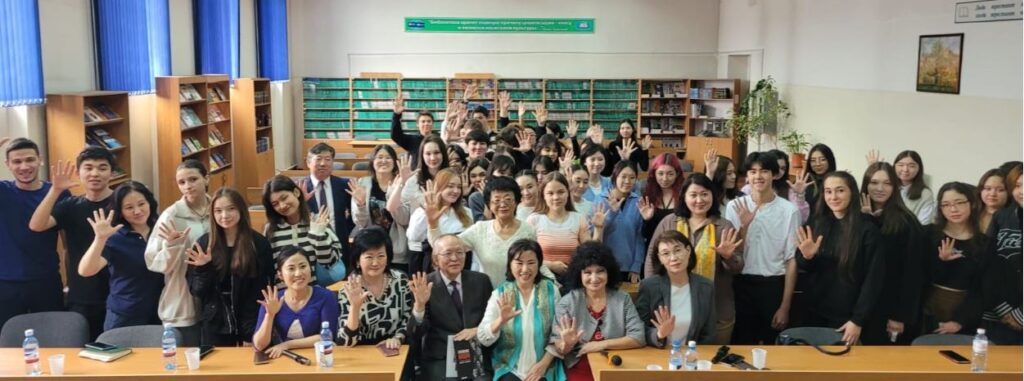
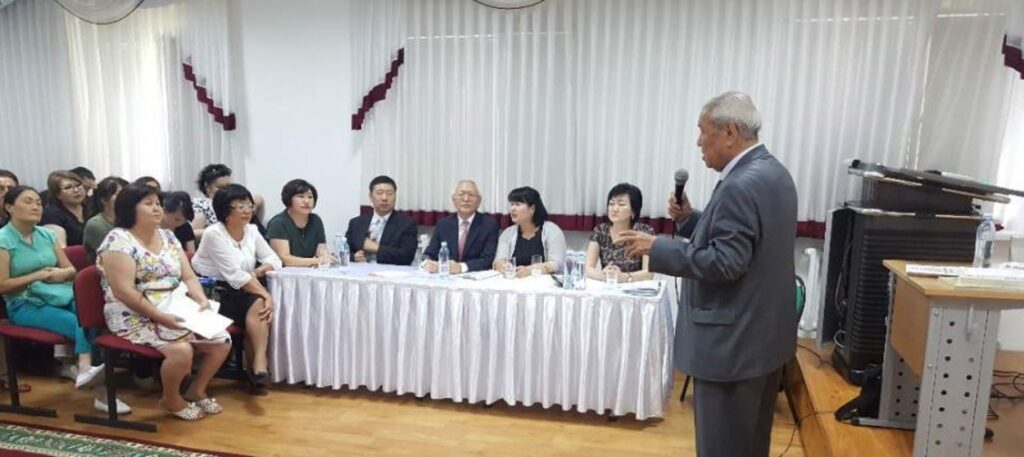
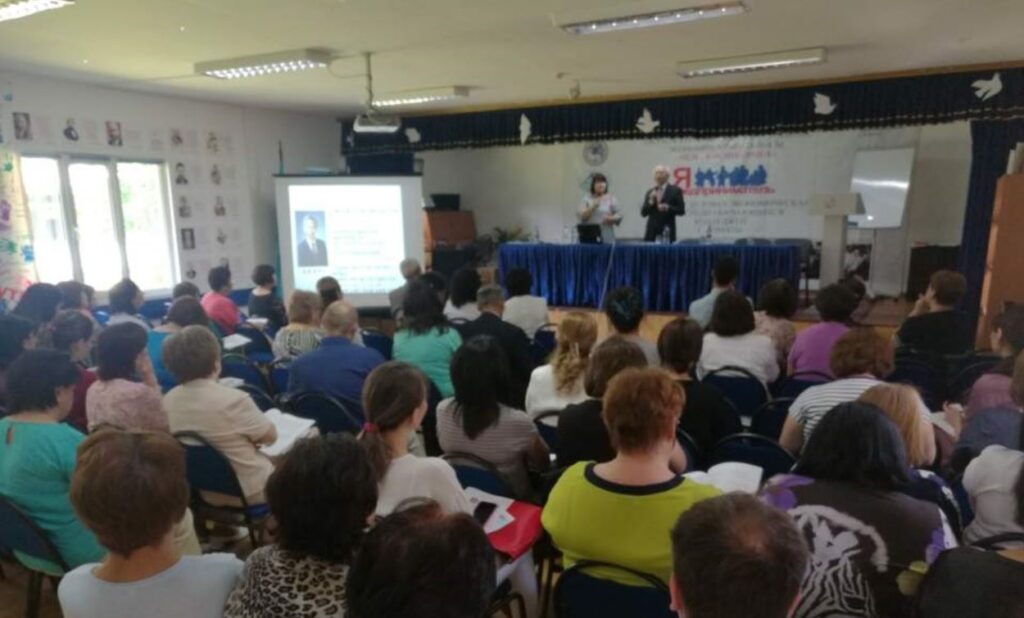
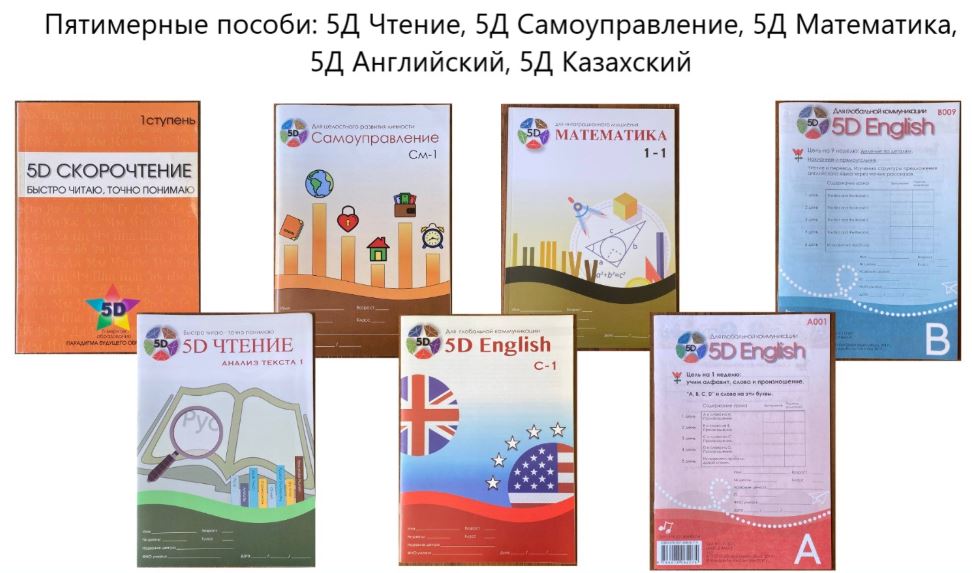
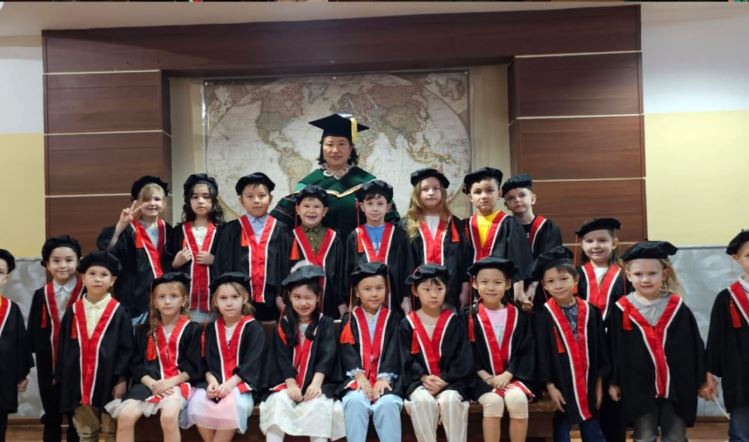
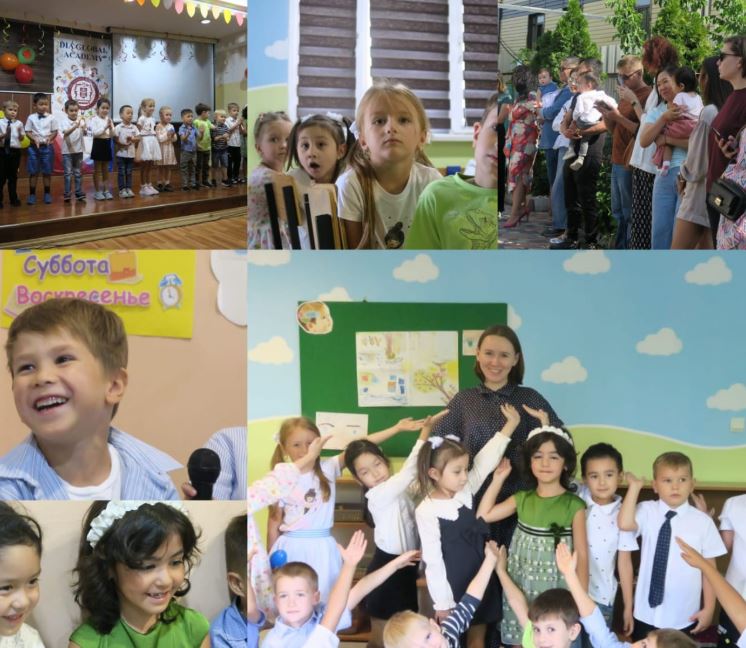
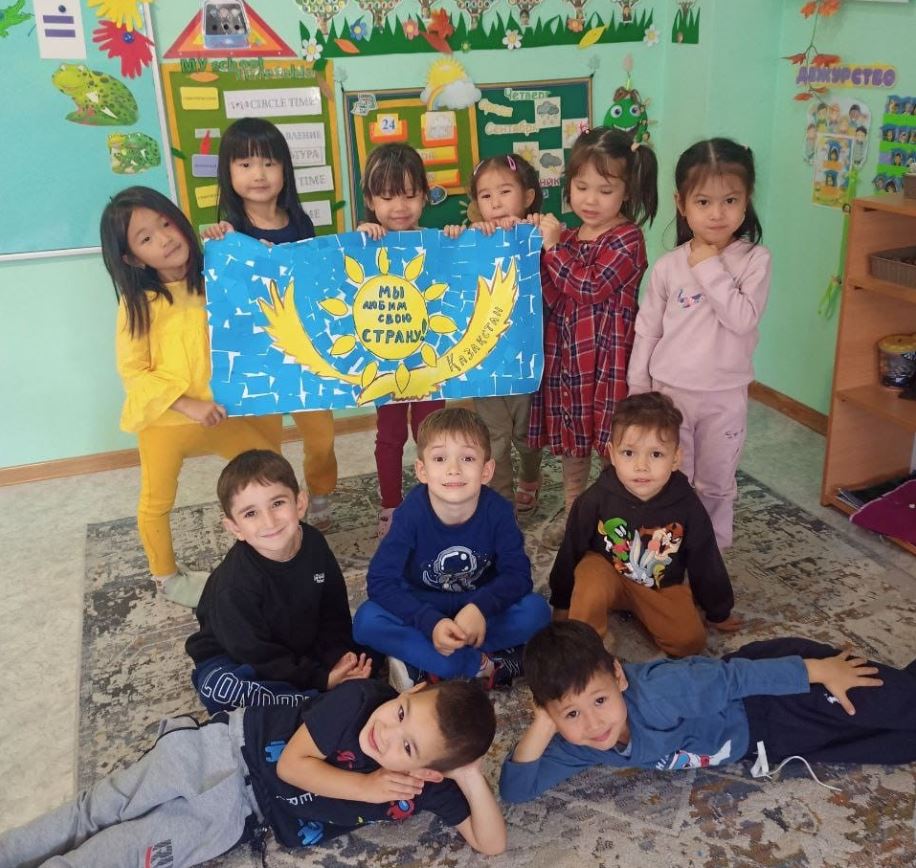
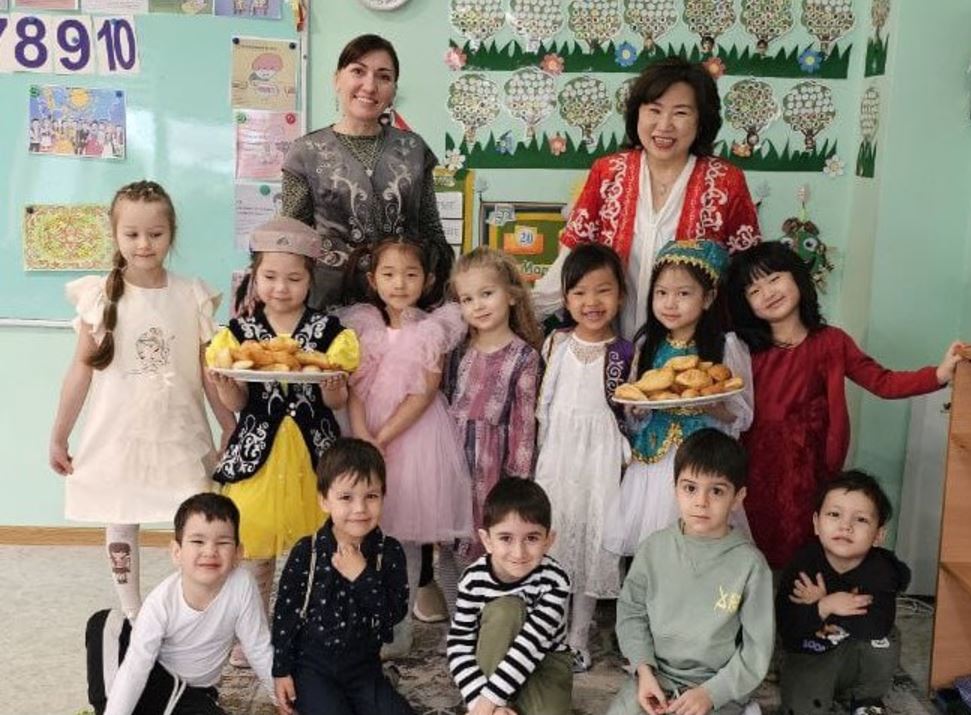
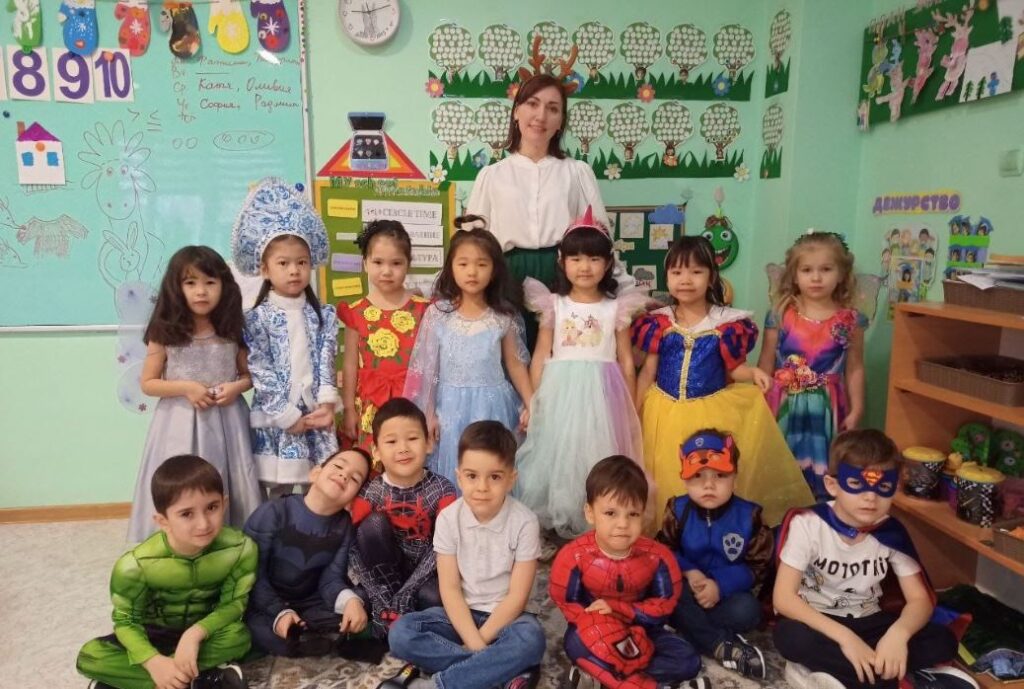
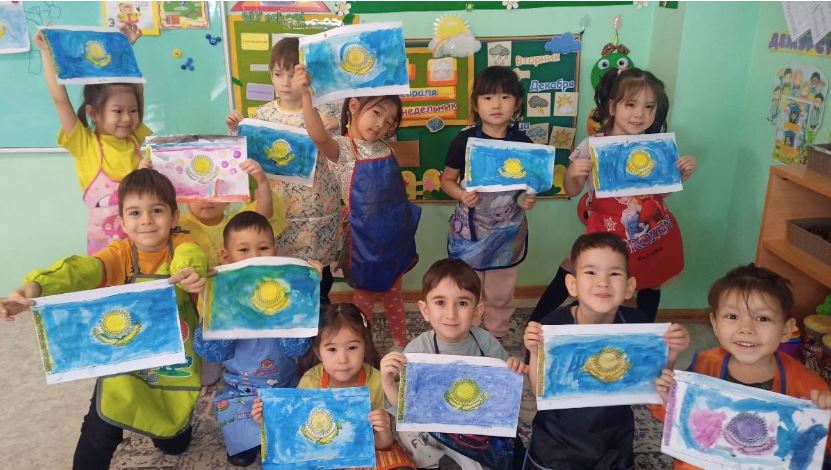
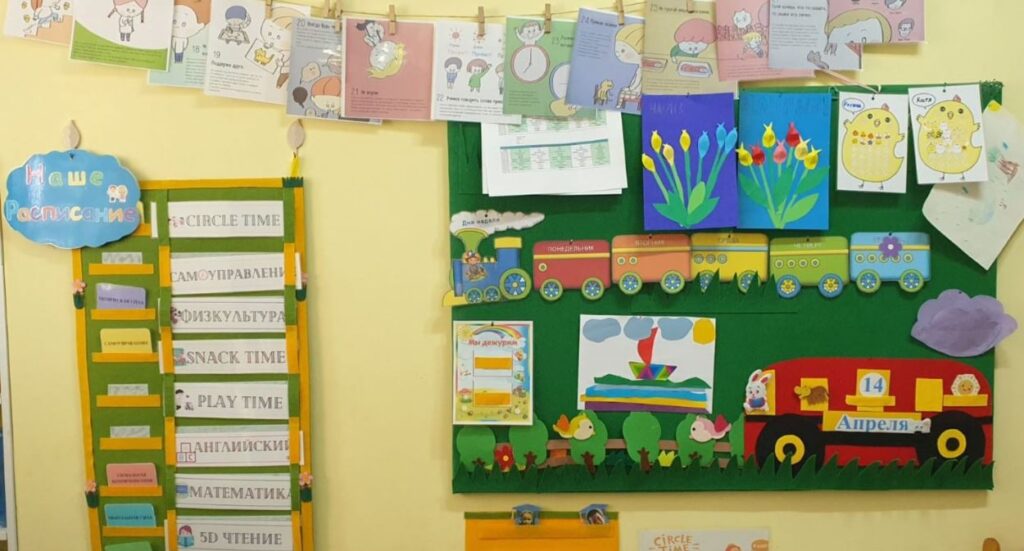
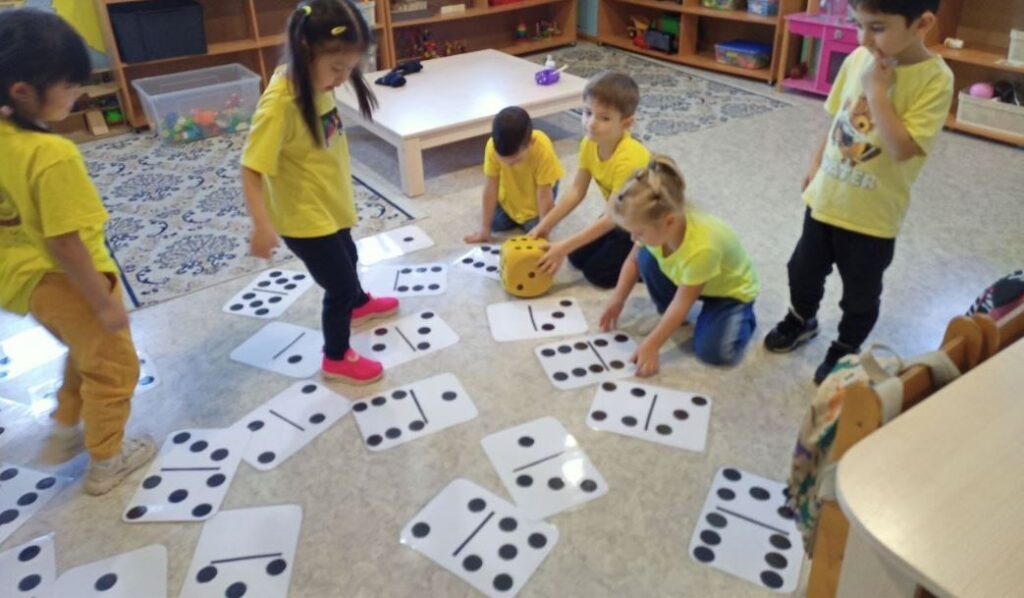
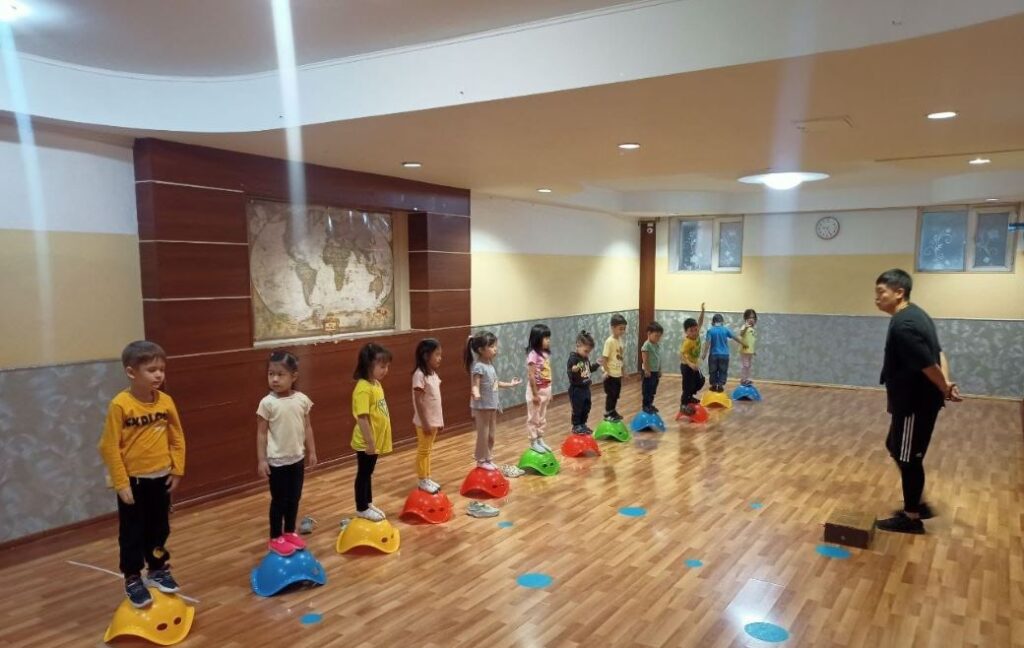
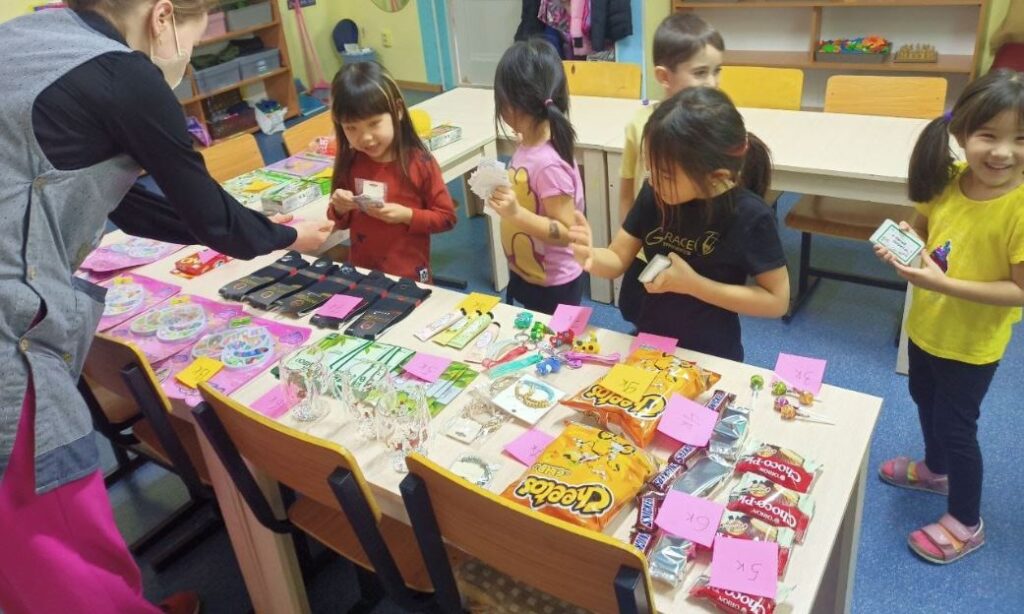
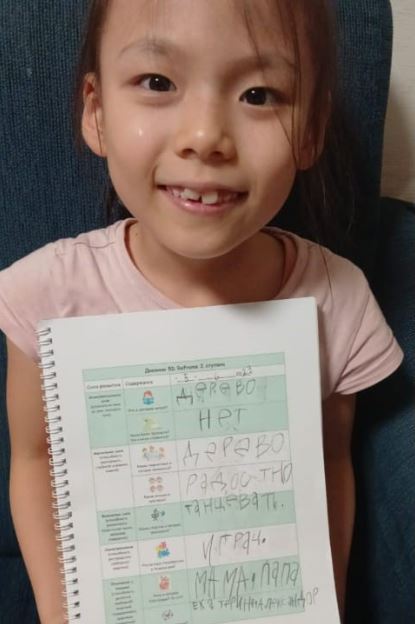
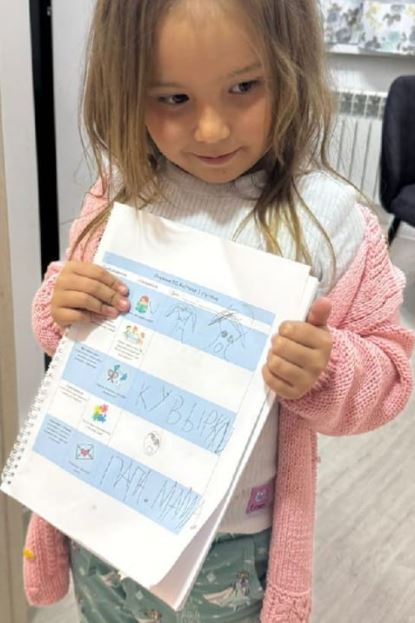
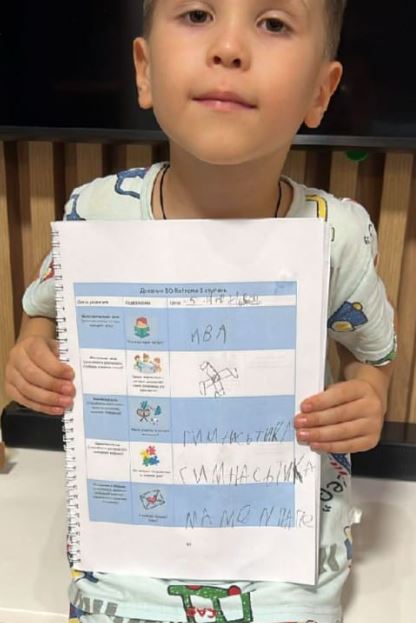
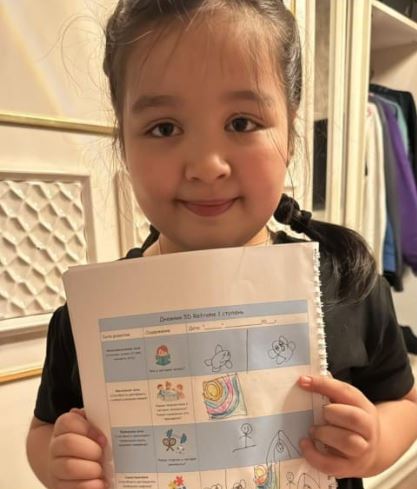
see more
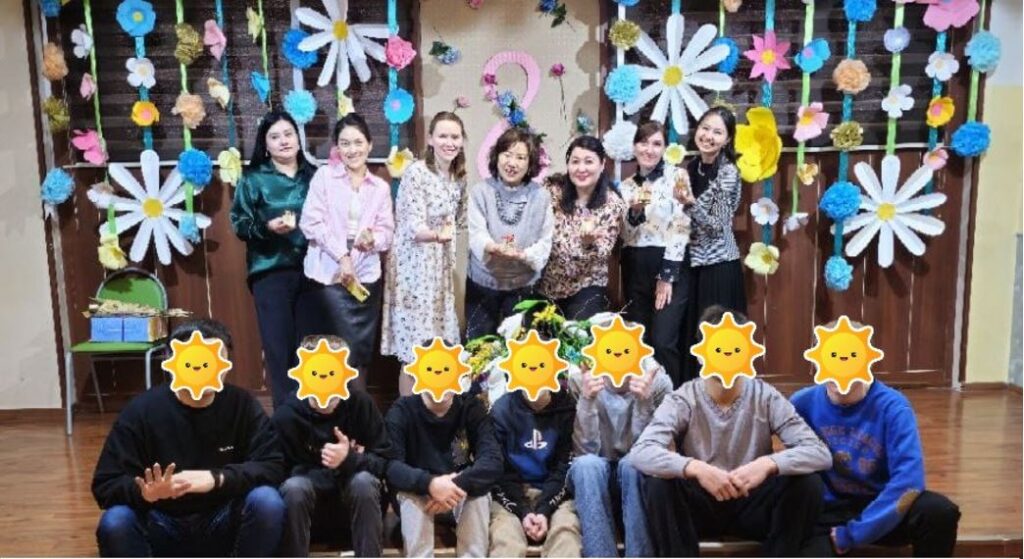
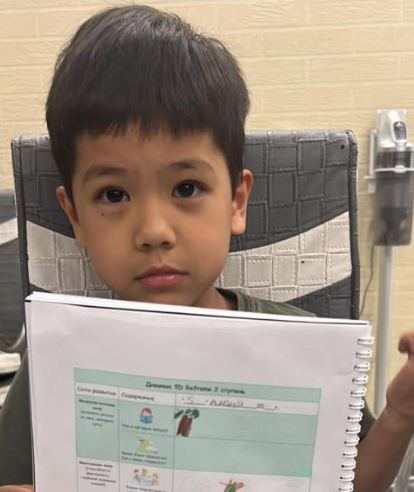
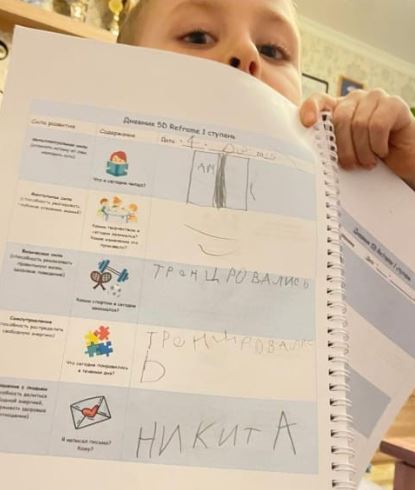
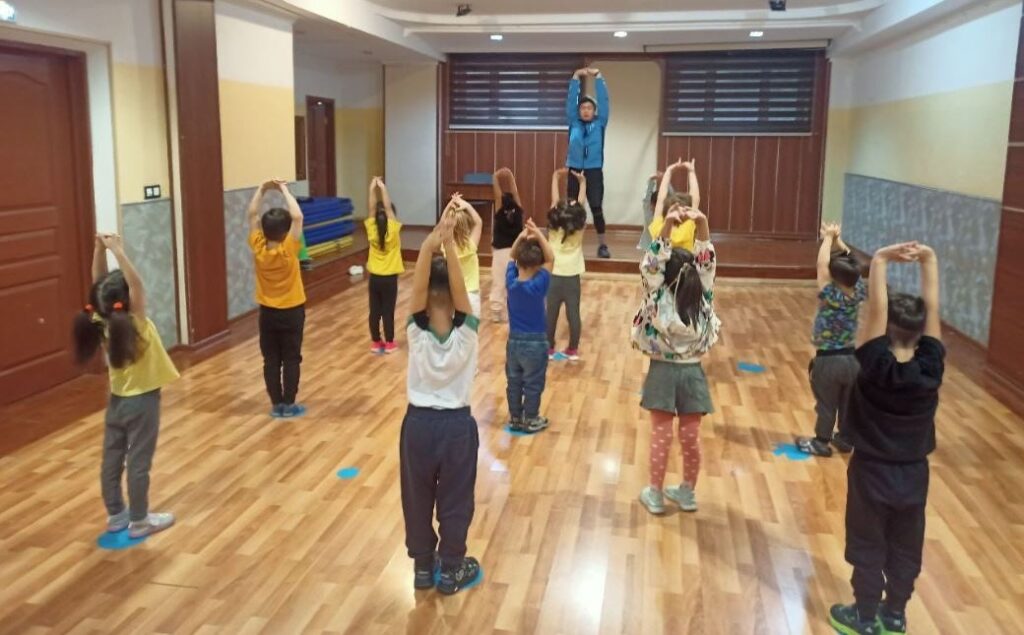
But the course is…. The first day they came, we tested them all and found that they were at a second grade level and not one of them could memorize the multiplication tables. It took six teachers to teach six students. When the teachers would come out of class, they would be black-faced and crying. “I feel like they’re sucking all my blood,” “The side pillar of the Libich isn’t low, it’s like there’s no bottom,” “How can they not change,” “I’ve never seen kids that don’t listen to me,” “They fight all the time.” It was a wonder they didn’t get in trouble, even though they were constantly getting into trouble: trying to hit teachers, vandalizing, gassing, sexually misbehaving, lying, and being violent.
And so….the promised six months passed and the time came to decide whether to continue or stop. The kids said they wanted to keep going, and the teachers said they couldn’t stop no matter how hard it was, so we decided to go back and finish the rest of the semester.
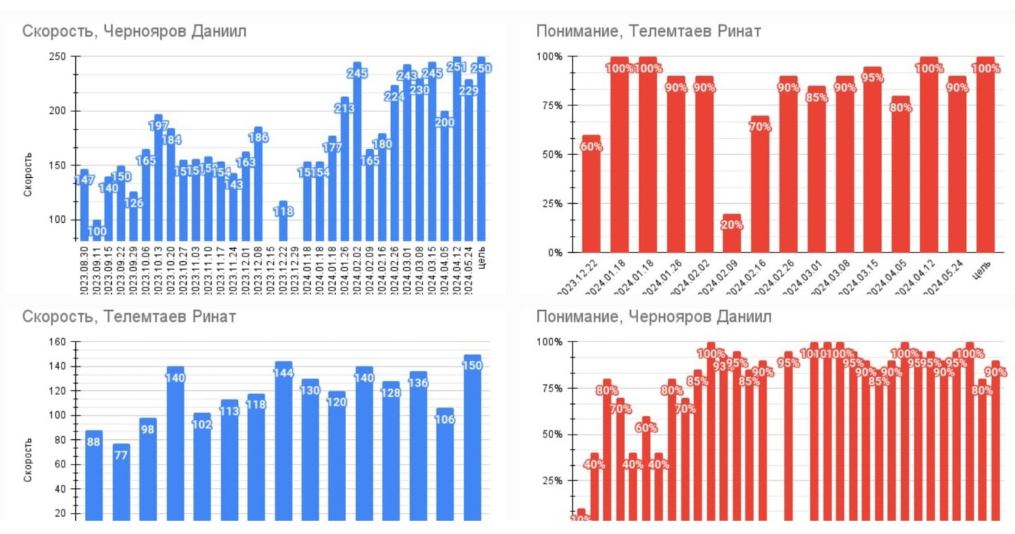
It’s May ’24 and they’ve finished their second semester and now they’re going up a grade, and they want to go back to school and study, and that’s an amazing change, so we send them off to school, and I’m inwardly worried about them starting their new school life, and then I get this letter.
(The following is a message from Daniel’s homeroom teacher).
“Good afternoon, Mr. Khan. First of all, I am very happy to have such a capable and intelligent boy come to our school. There is an online reading competition going on in our school right now. I would like to recommend him to take part in such competitions, he memorized poems very nicely. Recently we learned Pushkin’s poem and Daniel got 10 points (out of 10) and he memorized the poem so calmly and confidently in front of the public, it was really nice. Next time, if he passes the online competition, there will be an assembly in front of all the students, the principal will be there and there will be an award ceremony, I think Daniel will win!”
(Testimony of Jehna)
“Looking at Daniel’s old videos, I can see a huge difference, you can really see how much work has gone into it, I’m so happy for him, he looks amazing! Thank you again from the bottom of my heart!
Arzhom Agureyev is doing well, his grades are good, almost all subjects are green (good marks – green) . Daniel has been studying since the second semester and his grades are also good. Dima and Artem Gamarteli are enrolled in soccer and receive many compliments for their exemplary behavior. The children are changing, thank you very much. Of course, there are also ups and downs. We are very grateful to you for teaching the children in Dia this year, you have invested a lot in them, you have taught them self-management and a lot of good character.”
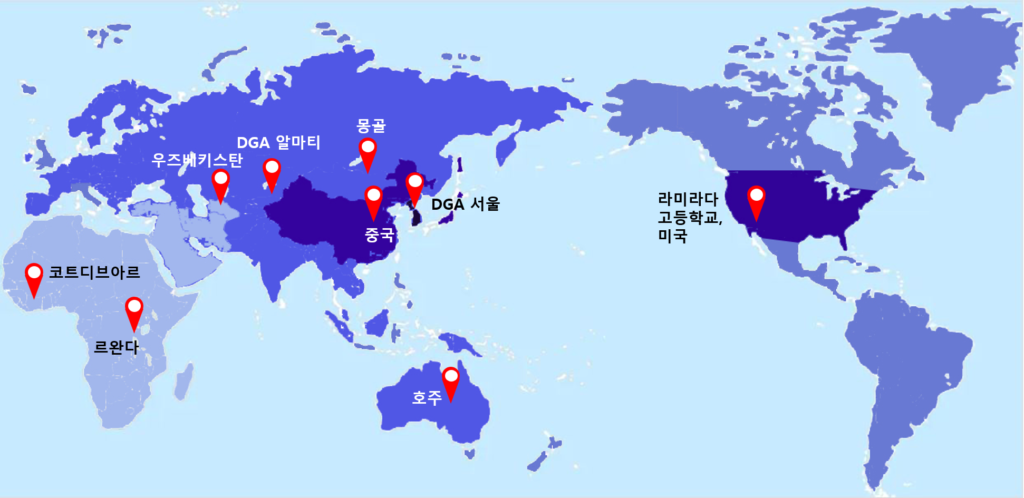
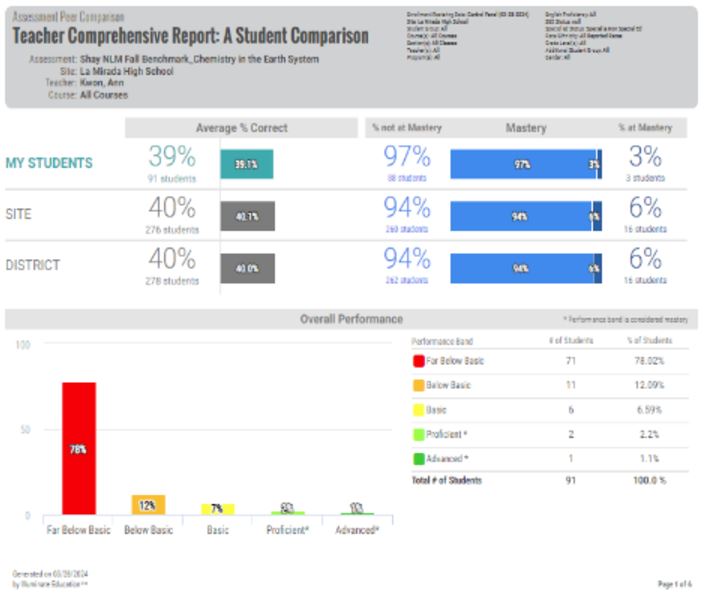
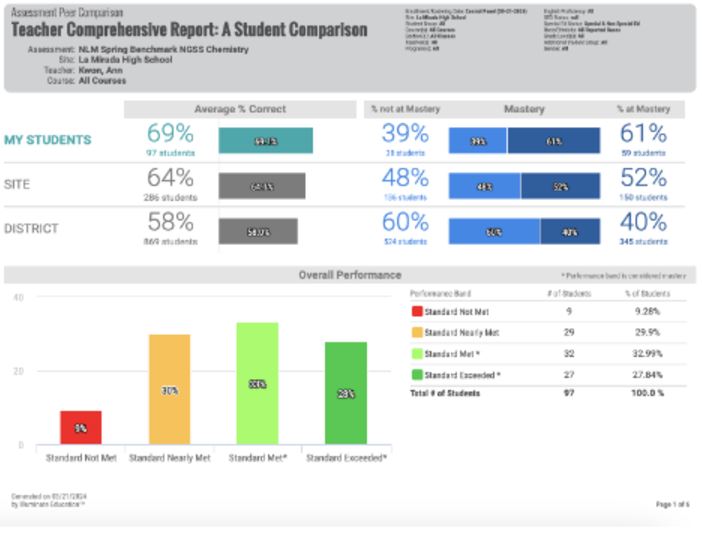
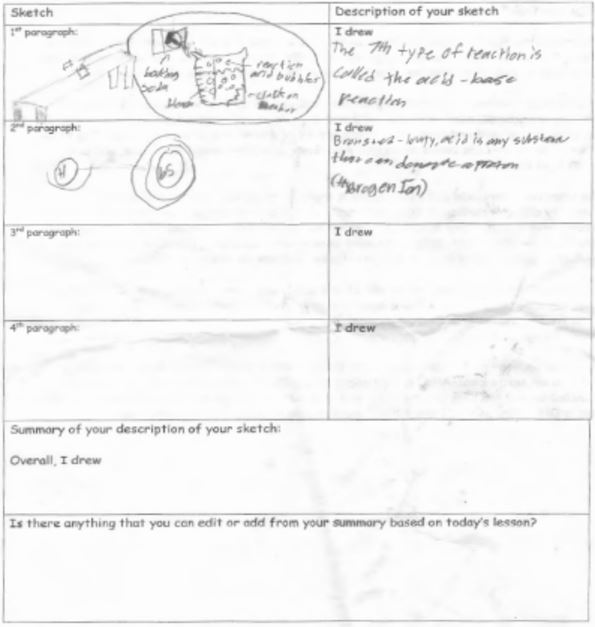
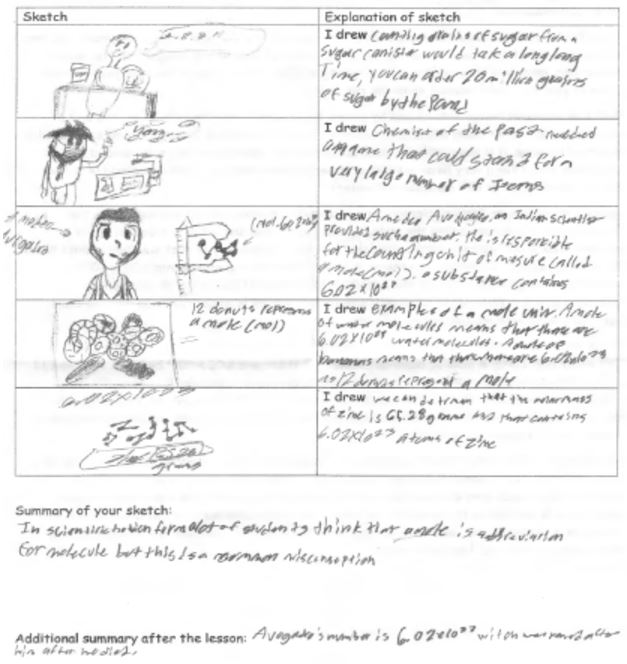
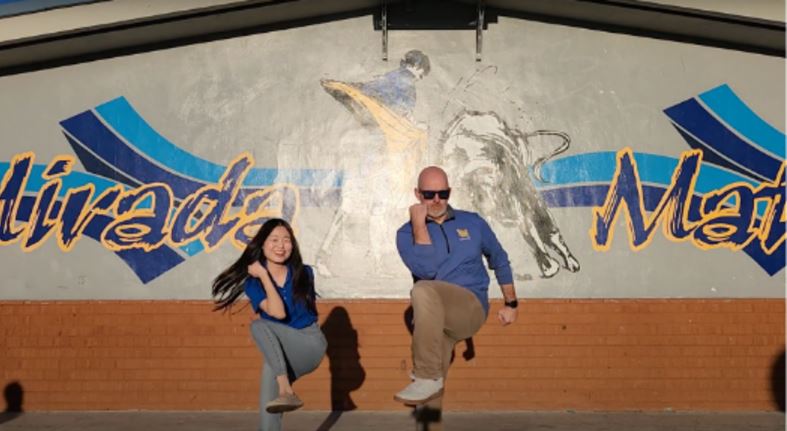
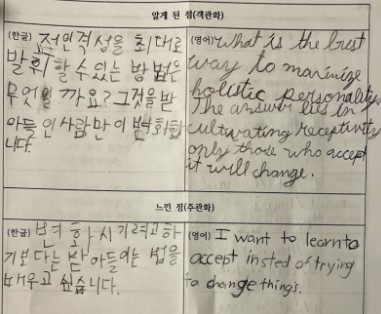
The success of this approach at La Mirada High School shows that no matter how good an education system is, if students don’t embrace it, it won’t produce positive results. Improving student acceptance is critical to achieving desirable educational outcomes. At La Mirada High School, the principal and Ms. Kwon formed an experimental group of three classes to implement the five-dimensional teaching approach. The results showed that students’ receptivity expanded, which led to deeper critical thinking and improved creative problem-solving skills.